Category: Trending

  • Saree in Banaras – A Timeless Tradition of Weaving Royalty

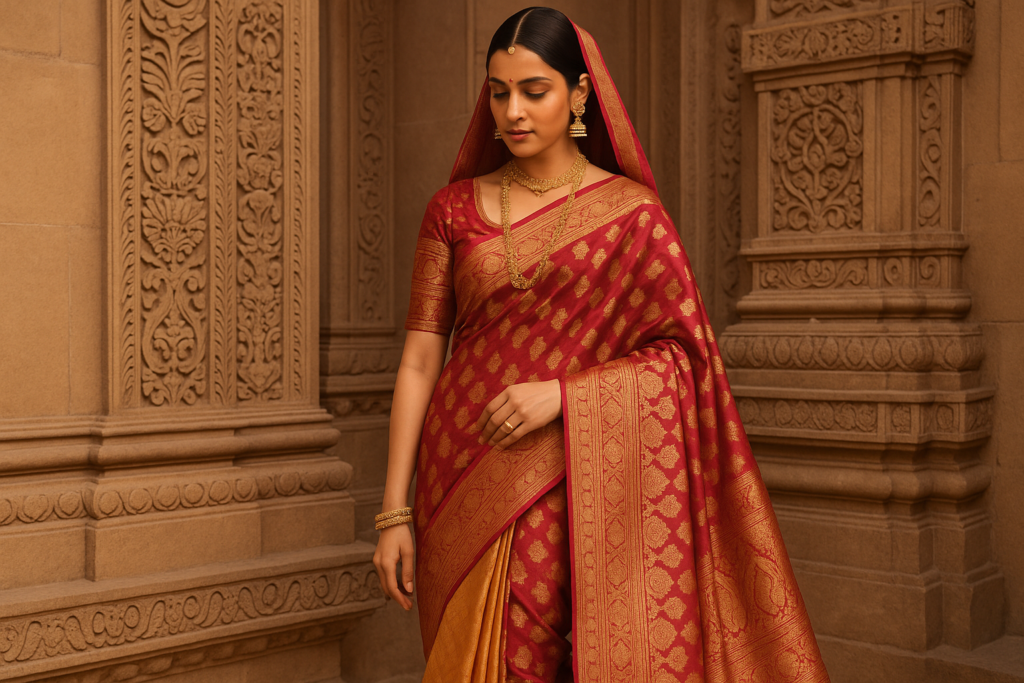
    Banaras, also known as Varanasi, is not only a spiritual hub but also the beating heart of India’s luxurious handloom industry. When you think of Banaras, you inevitably think of the iconic Banarasi saree—a symbol of heritage, elegance, and craftsmanship. Let’s explore why sarees from Banaras continue to capture hearts across generations and how they remain an eternal favorite in Indian wardrobes.


    Why Banaras is Synonymous with Sarees

    The art of saree weaving in Banaras dates back over 500 years, flourishing under Mughal patronage. The city became a melting pot of Persian design influence and Indian artistry, giving birth to the famous Banarasi silk saree. Today, Banaras is home to thousands of skilled artisans who continue this age-old legacy.


    What Makes Banarasi Sarees So Unique?

    1. Pure Silk & Zari Work
      Sarees in Banaras are made from Katan silk, enhanced with gold and silver zari threads, giving them a regal look and feel.
    2. Handloom Craftsmanship
      Each saree is handwoven using traditional looms, often taking weeks or months to complete depending on the design complexity.
    3. Rich Cultural Motifs
      Banarasi sarees feature intricate motifs like floral jaal, paisleys, Mughal-inspired patterns, and temple borders, each carrying symbolic meaning.

    Types of Sarees Found in Banaras

    • Katan Silk Sarees – Woven from pure silk, ideal for weddings and festivals.
    • Georgette Banarasi Sarees – Lightweight and trendy, perfect for parties.
    • Organza/Kora Sarees – Sheer texture with bold zari work, a blend of elegance and grace.
    • Shattir Sarees – Affordable yet stylish options with a modern twist.

    Where to Buy Authentic Sarees in Banaras

    Visiting Banaras offers a unique chance to witness sarees being woven in real time. Key markets to explore include:

    • Godowlia Market
    • Chowk Area
    • Peelikothi
    • Lahurabir

    You can also find government-authorized handloom emporiums and designer boutiques offering certified authentic Banarasi sarees.


    Saree as a Symbol of Banarasi Culture

    Wearing a Banarasi saree is more than a style statement—it’s a cultural homage. Brides, classical dancers, and dignitaries often choose Banarasi sarees for the elegance and status they bring.


    Conclusion

    Sarees in Banaras are not just garments—they’re woven legacies, reflecting centuries of tradition, artistry, and cultural pride. Whether you’re visiting the city or shopping online, owning a Banarasi saree is owning a piece of India’s living heritage.
  • The Banarasi Saree Manufacturing Process – From Loom to Legacy

    Banarasi sarees, cherished for their luxurious silk and exquisite zari work, represent the finest of Indian handloom artistry. But what truly makes a Banarasi saree so special lies in its intricate manufacturing process—a journey that blends tradition, craftsmanship, and cultural heritage. In this blog, we walk you through each step of how a Banarasi saree is made.


    1. Sourcing and Preparing Raw Silk

    The process begins with sourcing pure silk yarns, primarily from southern India. This silk is thoroughly washed and degummed to ensure it’s free from impurities, giving it a smooth, lustrous finish. Only the finest Katan silk is used for traditional Banarasi sarees.


    2. Designing the Pattern (Naksha Making)

    Once the silk is ready, artisans begin designing the motifs on graph paper using traditional methods. This process is called Naksha making, and the designs usually feature:

    • Mughal-inspired patterns
    • Floral and foliate motifs (kalga, bel)
    • Peacocks, paisleys, and mandalas

    Each design is unique and may take days to finalize.


    3. Punch Card Creation for the Jacquard Loom

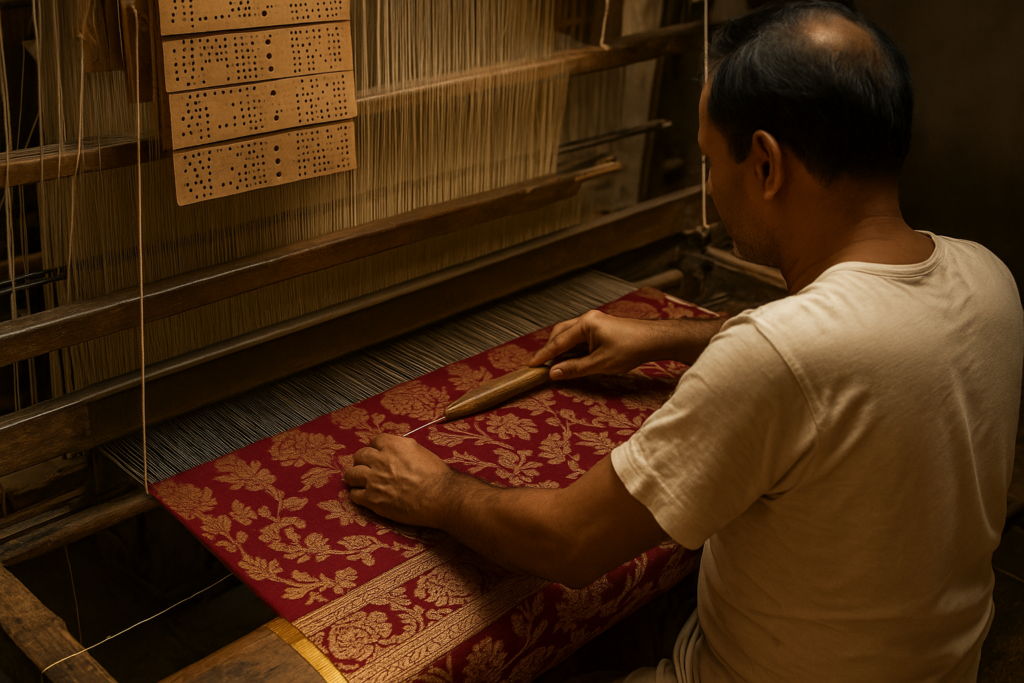
    The finalized design is translated into punch cards—small cardboard pieces with holes punched to guide the loom’s movement. These are fed into a Jacquard loom to control the weaving of patterns row by row.

    Thousands of punch cards are used for a single saree design.


    4. Dyeing the Silk Yarns

    The silk threads are then dyed in vibrant colors as per the design requirement. Traditional methods use natural and azo-free dyes, ensuring eco-friendliness and brilliance of color.


    5. Weaving on the Handloom

    Weaving is where the real magic begins. The weaver, assisted by family members or co-artisans, interlaces the dyed silk threads with zari threads (gold or silver-coated) on the loom. This meticulous weaving process can take 15 to 45 days or more, depending on the intricacy of the design.

    Types of weaving include:

    • Jangla – Dense floral motifs
    • Tanchoi – Intricate patterns with no zari
    • Cutwork – Simplified floral patterns
    • Butidar – Small, repetitive motifs across the body

    6. Finishing Touches and Quality Checks

    After weaving, the saree undergoes:

    • Polishing with a roller to enhance shine
    • Cutting and finishing of loose threads
    • Final quality inspection for defects

    Once approved, the saree is ready to be packed and shipped.


    7. Artisan Legacy and Sustainability

    Each Banarasi saree is a product of generations of skill. Many weavers work within family-owned units, often combining heritage techniques with modern innovations. Supporting Banarasi sarees also means supporting sustainable and ethical fashion.


    Conclusion

    From the hum of the loom to the shimmer of zari, the manufacturing process of Banarasi sarees is a beautiful narrative of craftsmanship and culture. Each thread tells a story, making every saree a wearable piece of art and tradition.

    Whether you’re a fashion lover, a bride-to-be, or an admirer of Indian textiles, knowing the process behind a Banarasi saree deepens your appreciation for this timeless attire.

  • The Story Behind Banarasi Sarees – Heritage in Every Thread

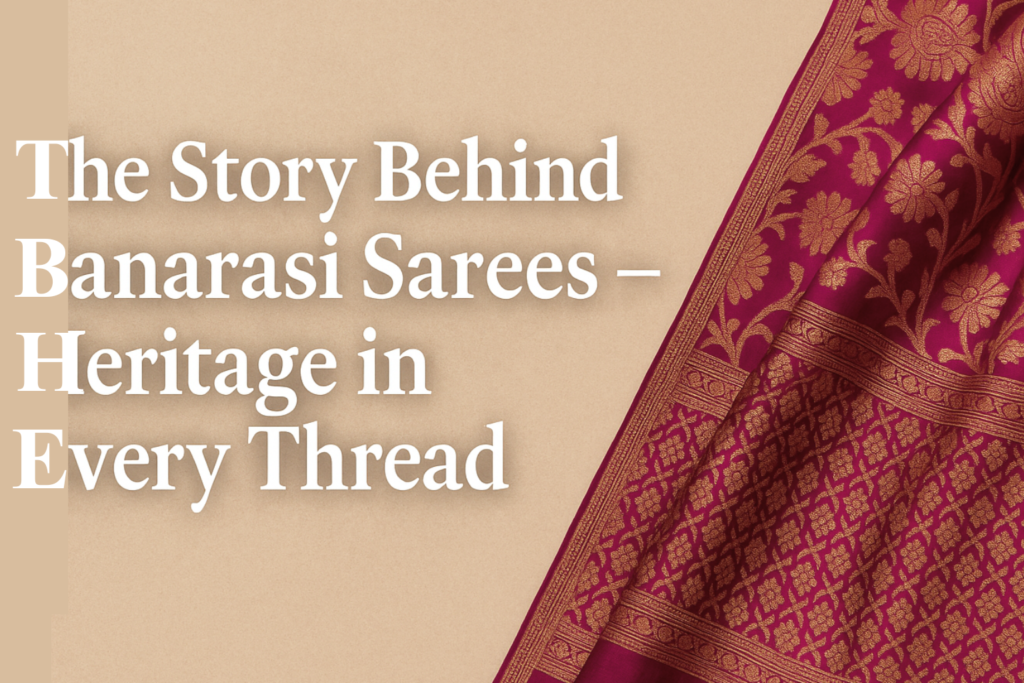
    When it comes to timeless elegance and rich tradition, Banarasi sarees remain a crown jewel in Indian ethnic fashion. Originating from the ancient city of Varanasi (Banaras), these sarees are more than just clothing—they are handwoven works of art, passed down through generations. In this blog, we’ll explore the fascinating history, cultural significance, and modern-day relevance of Banarasi sarees.

    Origin of Banarasi Sarees: A Glimpse into History

    The roots of the Banarasi saree date back to the Mughal era, when Persian aesthetics met Indian craftsmanship. It was during this time that the art of weaving fine silk with gold and silver threads took shape in Banaras. Royal families and nobility adorned themselves with these luxurious garments, making Banarasi sarees a symbol of royalty and sophistication.

    What Makes a Banarasi Saree So Special?

    1. Intricate Weaving Techniques
      Banarasi sarees are known for their brocade work—delicate patterns created using metallic threads. Traditional motifs include floral designs, paisleys, peacocks, and mughal-inspired patterns.
    2. Pure Silk & Zari Work
      Woven from pure Katan silk and real zari (gold/silver threads), authentic Banarasi sarees are heavy, luxurious, and deeply ornate. Today, zari is often made with silver or copper threads coated in gold polish to maintain affordability without compromising beauty.
    3. Handcrafted by Skilled Artisans
      Each Banarasi saree can take 15 to 30 days or even more to complete, depending on the intricacy. Weaving one saree is a labor of love, often involving multiple artisans.

    Types of Banarasi Sarees You Should Know

    • Katan Banarasi Saree – Pure silk, known for its durability and richness.
    • Organza Banarasi Saree (Kora) – Lightweight, sheer fabric with zari and silk patterns.
    • Georgette Banarasi Saree – Soft and flowy, perfect for modern silhouettes.
    • Shattir Banarasi Saree – Ideal for contemporary and budget-friendly styles.

    Why Banarasi Sarees Are a Bridal Favorite

    If you’ve ever attended a North Indian wedding, you’ve likely seen the bride in a rich red or maroon Banarasi saree. This traditional attire is chosen not just for its beauty, but for its auspiciousness and timeless appeal. In fact, many brides today are opting for customized Banarasi lehengas and sarees to add a traditional touch with a modern twist.

    Modern Styling Ideas for Banarasi Sarees

    • Pair with a Belt: Cinch the waist with an ethnic belt for a fusion look.
    • Statement Blouse: Experiment with deep backs, balloon sleeves, or mirror work.
    • Contemporary Drapes: Try dhoti or lehenga-style drapes for pre-wedding events.
    • Accessorize Well: Go minimal with jewelry if the saree is heavily embellished.

    Preserving the Legacy of Banarasi Sarees

    In today’s fast-fashion world, Banarasi sarees remain a sustainable and ethical fashion choice. Buying a handwoven Banarasi saree not only supports Indian artisans but also helps preserve centuries-old traditions.

    Several designers and fashion influencers are now working with Banarasi weavers to bring their work into mainstream fashion, blending tradition with innovation.


    Conclusion

    Banarasi sarees are not just garments—they are a celebration of Indian culture, history, and craftsmanship. Whether you’re a bride, a saree enthusiast, or someone looking to invest in a piece of heritage, owning a Banarasi saree means owning a slice of India’s glorious textile tradition.

  • How to Wear a Lehenga Without a Dupatta – Styling Tips

    (Includes trending keywords: lehenga without dupatta, lehenga styling tips, modern lehenga look, bridal lehenga 2025, dupatta alternatives, indo-western lehenga)


    ✨ Introduction

    The traditional lehenga has always been incomplete without a dupatta—until now. In 2025, fashion is evolving, and wearing a lehenga without a dupatta is becoming a major trend, especially among modern brides and fashion-forward girls. Whether it’s for a wedding, sangeet, or a festive event, ditching the dupatta can actually elevate your look—if done right. Here are the best lehenga styling tips to rock your outfit without a dupatta.


    💡 1. Choose a Statement Blouse or Choli

    Keyword: statement blouse for lehenga, modern lehenga blouse designs

    Your blouse becomes the highlight when you’re skipping the dupatta. Opt for unique designs like:

    • Off-shoulder or cold-shoulder cuts
    • One-shoulder blouse
    • Corset-style or structured tops
    • Peplum or jacket-style blouses

    These add balance and glamour to your lehenga look without dupatta.


    💃 2. Opt for a Heavily Embellished Lehenga Skirt

    Keyword: heavy lehenga skirt, bridal lehenga without dupatta

    When you go dupatta-free, the attention shifts to your skirt. Choose lehengas with:

    • Mirror work
    • Embroidery
    • Sequins
    • Zardozi or thread work

    This ensures your outfit doesn’t look incomplete. It works especially well for bridal lehenga 2025 trends.


    🧥 3. Layer It with a Cape or Jacket

    Keyword: cape lehenga, lehenga with jacket, dupatta alternative

    A smart way to avoid the dupatta while still looking royal is by adding a:

    • Cape (net or embroidered)
    • Long ethnic jacket
    • Shrug or waist-length jacket

    This adds elegance while being totally hands-free.


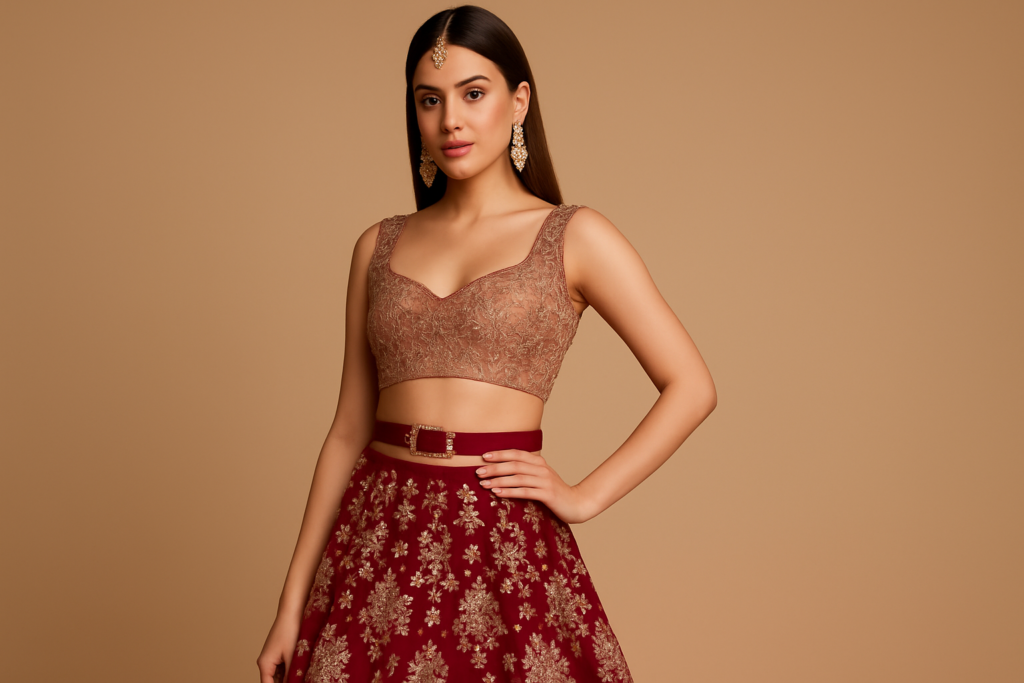
    💖 4. Go Indo-Western with a Belted Look

    Keyword: belted lehenga style, indo-western lehenga look

    If you’re not wearing a dupatta, add a statement belt to cinch the waist. You can even layer it over the blouse or skirt. It gives structure and keeps your look modern and bold. This style is trending across Instagram reels and Pinterest boards.


    👑 5. Focus on Hair, Makeup & Accessories

    Keyword: lehenga styling without dupatta, bridal accessories

    To complete your lehenga look without dupatta, give extra attention to:

    • Statement earrings (chandbalis or jhumkas)
    • Sleek or open hairstyles with maang tikka or matha patti
    • Bold eye makeup or nude glam look
    • Statement bangles or kada sets

    The right accessories make your outfit feel complete—even without a dupatta.


    👗 6. Try Structured or Fusion Lehengas

    Keyword: fusion lehenga, lehenga gown style

    Structured lehengas with a fitted top and flared bottom often don’t require a dupatta at all. These look like lehenga gowns and are perfect for engagement, reception, or modern weddings.


    📝 Final Thoughts

    Ditching the dupatta doesn’t mean sacrificing elegance. With the right lehenga styling tips, accessories, and silhouette, you can confidently wear your lehenga without a dupatta and still steal the spotlight. This 2025 trend is all about convenience, comfort, and class.


    💬 Which no-dupatta lehenga style is your favorite? Let us know in the comments!

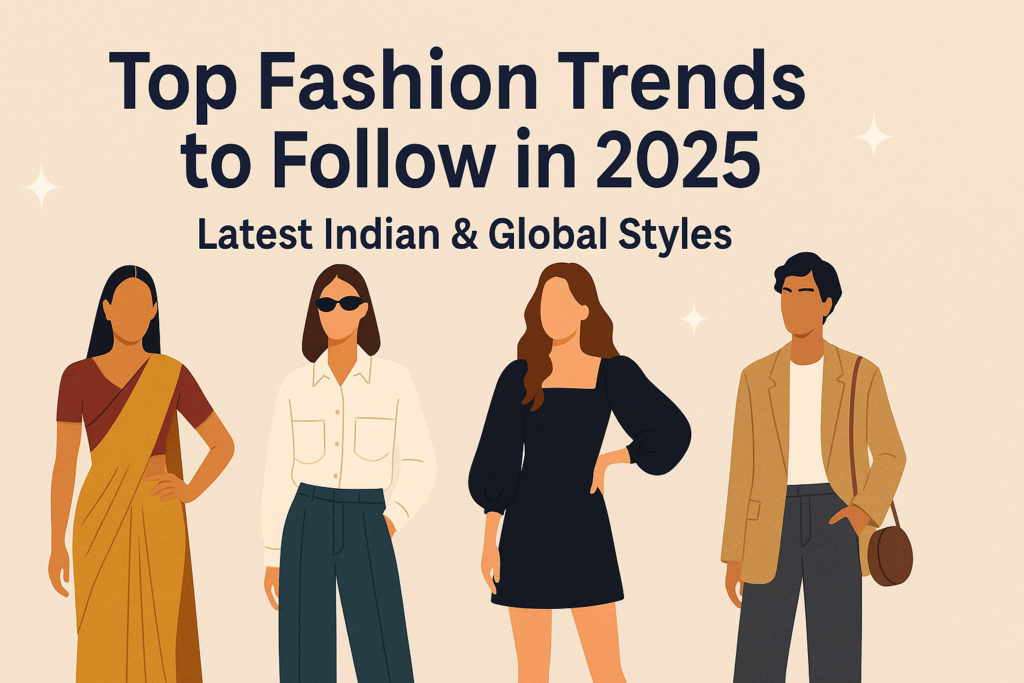
  • Top Fashion Trends to Follow in 2025

    Fashion in 2025 is all about bold choices, sustainability, and cultural fusion. Whether you’re a trendsetter or someone who likes to stay updated with the latest fashion styles, this year’s fashion scene is packed with exciting transformations. Let’s explore the top fashion trends to follow in 2025 that are already dominating social media and runways.


    🔥 1. Sustainable Fashion Takes the Spotlight

    Keyword: sustainable fashion 2025, eco-friendly outfits

    More than just a trend, sustainable fashion is now a movement. In 2025, fashion brands are prioritizing eco-friendly fabrics, recycled materials, and slow fashion practices. Shoppers are loving organic cotton, hemp, and plant-based dyes. If you’re eco-conscious, now is the time to switch to greener fashion choices without compromising on style.


    ✨ 2. Fusion of Indian and Western Wear

    Keyword: Indo-western outfits, Indian fashion 2025

    The fusion of traditional Indian styles with modern Western cuts is a major trend this year. Think sarees with crop tops, dhoti pants with jackets, or kurti dresses. This Indo-western fashion trend is perfect for parties, college functions, or even casual hangouts.


    👚 3. Oversized Everything

    Keyword: oversized outfits 2025, comfortable fashion trends

    Comfort is the new cool. From oversized t-shirts, baggy jeans, to loose-fit blazers, this trend is everywhere. Pairing these with minimal accessories and sneakers gives you a chic and relaxed vibe. It’s ideal for airport looks or casual day-outs.


    🖤 4. Monochrome Magic

    Keyword: monochrome outfit ideas, 2025 fashion trends

    Dressing in one color from head to toe is gaining serious popularity in 2025. Whether it’s all-beige, classic black, or bold red, monochrome outfits make a strong style statement. Add texture and layering to avoid looking flat.


    💫 5. Statement Sleeves & Dramatic Silhouettes

    Keyword: statement sleeves, dramatic fashion styles

    Puff sleeves, balloon arms, cape shoulders — dramatic silhouettes are all the rage this year. Designers are adding volume to tops and dresses, making them red-carpet ready. These pieces work great for festive looks or evening wear.


    👖 6. Y2K Revival Continues

    Keyword: Y2K fashion, 90s fashion comeback

    The early 2000s are not going anywhere! From low-rise jeans, baby tees, to shiny fabrics and butterfly clips, Y2K fashion is still trending in 2025. This nostalgic trend is especially popular among Gen Z influencers and Instagram reels.


    💍 7. Maximalist Accessories

    Keyword: fashion accessories 2025, chunky jewelry trend

    Say goodbye to minimalism! Chunky jewelry, layered necklaces, colorful handbags, and bold sunglasses are dominating the accessory scene. This trend adds personality to even the simplest outfits.


    👜 8. Gender-Neutral Fashion

    Keyword: unisex fashion, androgynous outfits

    Gender-neutral styles are becoming more mainstream in 2025. Oversized shirts, tailored pants, and versatile jackets are being designed to suit all genders. It’s a step towards more inclusive and progressive fashion.


    🌟 Final Thoughts

    The fashion trends of 2025 are diverse, inclusive, and full of personality. Whether you’re into traditional Indian fashion or looking to upgrade your wardrobe with modern outfit ideas, this year offers something for everyone. Stay stylish, stay true to your vibe, and don’t be afraid to experiment.

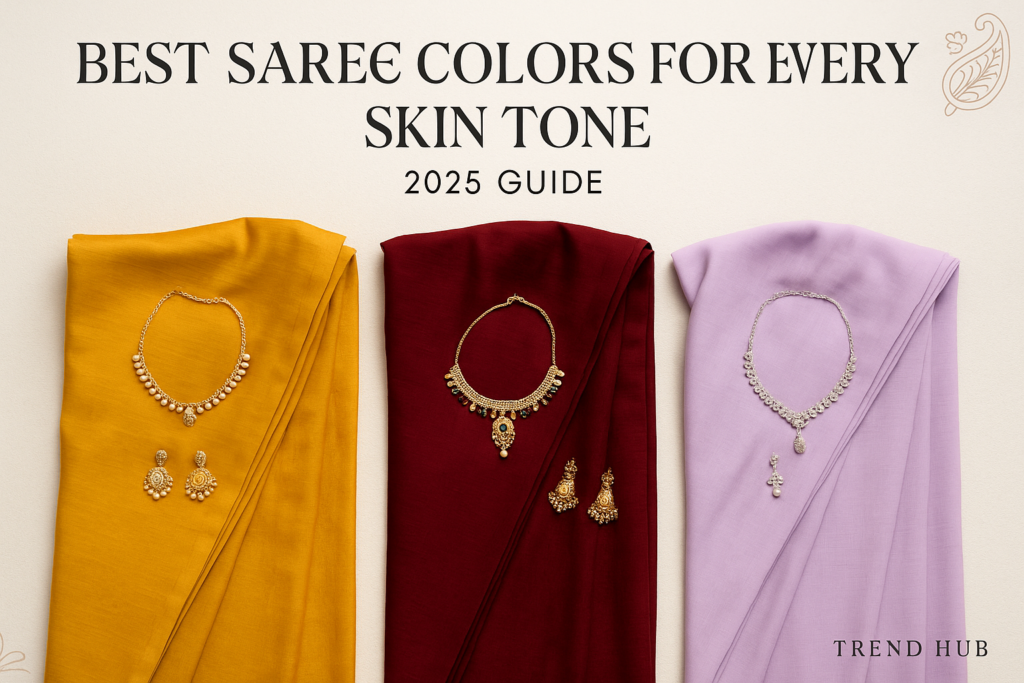
  • 🎨 Best Saree Colors for Every Skin Tone – 2025 Style Guide

    Choosing the right saree color isn’t just about trends—it’s about what complements your natural beauty. The perfect shade can make your skin glow, enhance your features, and make your outfit stand out effortlessly. In this 2025 saree color guide, we help you discover which hues work best for your unique skin tone, so you never go wrong with your ethnic look.


    💖 For Fair Skin Tones

    If you have a light or porcelain complexion, both soft pastels and deep jewel tones can look stunning on you.

    🌸 Recommended Shades:

    • Baby pink, lavender, powder blue, mint green
    • Emerald green, royal blue, ruby red
    • Champagne gold and soft silver for elegant occasions

    ❌ Avoid:

    Very pale beige or lemon yellow—they may wash out your natural glow.

    Trending in 2025: Ice blue organza sarees and rose gold satin silks with sequinned borders.


    🌞 For Medium or Wheatish Skin Tones

    This skin tone is one of the most versatile and pairs beautifully with both warm and cool colors.

    🌺 Recommended Shades:

    • Coral, mustard yellow, olive green
    • Magenta, teal, maroon, rust orange
    • Metallic bronze and copper tones

    ❌ Avoid:

    Ashy grey or neon shades—they may overpower your natural warmth.

    2025 Style Tip: Silk sarees in rust or burnt sienna with antique gold borders are in high demand this season.


    🍫 For Dusky or Deep Skin Tones

    Rich, vibrant colors and earthy tones can truly enhance the beauty of a dusky complexion.

    🌹 Recommended Shades:

    • Deep wine, navy blue, forest green, plum
    • Brick red, mustard, chocolate brown
    • Bold patterns with metallic accents

    ❌ Avoid:

    Fluorescent shades or overly pale pastels—they can contrast harshly with deeper tones.

    2025 Trend Alert: Velvet sarees in deep jewel tones with mirror work are dominating festive fashion.


    ✨ Bonus Tip: Universally Flattering Colors

    No matter your skin tone, some colors suit everyone:

    • Classic red
    • Black with gold or silver detailing
    • Ivory with bold embroidery
    • Jewel tones like emerald and sapphire

    👗 Final Thoughts

    Choosing the right saree color for your skin tone is the key to elevating your entire look. With this 2025 guide, you can stay ahead in style while honoring your natural complexion. Whether you’re dressing up for a wedding or a festive celebration, let your saree shade be your confidence booster.

  • Summer Dressings

    Nullam imperdiet lobortis maximus cras ante neque.


    Aenean fermentum vulputate eros, efficitur vehicula nunc accumsan tincidunt. Maecenas a nulla id sapien dignissim tincidunt. Suspendisse efficitur ipsum sit amet purus sodales pulvinar. Suspendisse eu venenatis eros.

    Nunc facilisis diam velit, non facilisis justo lobortis ac. Etiam ante tortor, consequat vel felis id, blandit finibus magna. Curabitur vel urna id tortor ullamcorper molestie. Donec accumsan, sapien nec consectetur varius, nisl nibh maximus diam, non vulputate diam dolor at nunc. Suspendisse pulvinar, ante a tempor volutpat, ligula tellus pharetra libero, ac porttitor tortor turpis at magna.
    Nunc facilisis diam velit, non facilisis justo lobortis ac. Etiam ante tortor, consequat vel felis id, blandit finibus magna.


    Nemo enim ipsam voluptatem quia voluptas sit aspernatur aut odit aut fugit, sed quia consequuntur magni dolores eos qui ratione voluptatem sequi nesciunt. Neque porro quisquam est, qui dolorem ipsum quia dolor sit amet, consectetur.

    Consequat ipsum, nec sagittis sem nibh id elit. Lorem ipsum dolor sit amet, consectetur adipiscing elit. Aenean sapien nunc, aliquam et sollicitudin a, mollis sit amet odio.

    Proin gravida nibh vel velit auctor aliquet. Aenean sollicitudin, lorem quis bibendum auctor, nisi elit consequat ipsum, nec sagittis sem nibh id elit. Lorem ipsum dolor sit amet, consectetur adipiscing elit. Aenean sapien nunc, aliquam et sollicitudin a, mollis sit amet odio.

    Consequat ipsum, nec sagittis sem nibh id elit. Lorem ipsum dolor sit amet, consectetur adipiscing elit. Aenean sapien nunc, aliquam et sollicitudin a, mollis sit amet odio.

  • Street Shopping Tips

    Nullam imperdiet lobortis maximus cras ante neque.


    Aenean fermentum vulputate eros, efficitur vehicula nunc accumsan tincidunt. Maecenas a nulla id sapien dignissim tincidunt. Suspendisse efficitur ipsum sit amet purus sodales pulvinar. Suspendisse eu venenatis eros.

    Nunc facilisis diam velit, non facilisis justo lobortis ac. Etiam ante tortor, consequat vel felis id, blandit finibus magna. Curabitur vel urna id tortor ullamcorper molestie. Donec accumsan, sapien nec consectetur varius, nisl nibh maximus diam, non vulputate diam dolor at nunc. Suspendisse pulvinar, ante a tempor volutpat, ligula tellus pharetra libero, ac porttitor tortor turpis at magna.
    Nunc facilisis diam velit, non facilisis justo lobortis ac. Etiam ante tortor, consequat vel felis id, blandit finibus magna.


    Nemo enim ipsam voluptatem quia voluptas sit aspernatur aut odit aut fugit, sed quia consequuntur magni dolores eos qui ratione voluptatem sequi nesciunt. Neque porro quisquam est, qui dolorem ipsum quia dolor sit amet, consectetur.

    Proin gravida nibh vel velit auctor aliquet. Aenean sollicitudin, lorem quis bibendum auctor, nisi elit consequat ipsum, nec sagittis sem nibh id elit. Lorem ipsum dolor sit amet, consectetur adipiscing elit. Aenean sapien nunc, aliquam et sollicitudin a, mollis sit amet odio.

    Consequat ipsum, nec sagittis sem nibh id elit. Lorem ipsum dolor sit amet, consectetur adipiscing elit. Aenean sapien nunc, aliquam et sollicitudin a, mollis sit amet odio.

    CAenean sapien nunc, aliquam et sollicitudin a, mollis sit amet odio.

    Proin gravida nibh vel velit auctor aliquet. Aenean sollicitudin, lorem quis bibendum auctor, nisi elit consequat ipsum, nec sagittis sem nibh id elit. Lorem ipsum dolor sit amet, consectetur adipiscing elit. Aenean sapien nunc, aliquam et sollicitudin a, mollis sit amet odio.