Category: Sarees

  • 🌸 The Glorious History of Saree – India’s Timeless Elegance

    The saree is not just a garment—it’s a cultural symbol woven into the identity of Indian tradition. For centuries, it has graced the wardrobes of women across regions, castes, and classes, adapting in style and drape while staying true to its roots.


    1. 🕰️ The Origin of Saree – Tracing Back to the Indus Valley Civilization

    The history of saree dates back over 5,000 years to the Indus Valley Civilization. Archaeological findings show figurines of women draped in a cloth similar to the modern-day saree. The term ‘saree’ comes from the Sanskrit word “śātika”, which refers to a strip of cloth.

    • Women traditionally wore sarees without a blouse or petticoat.
    • The earliest sarees were made of cotton and later of silk during the Mauryan and Gupta periods.

    👉 Trending Keywords: ancient Indian saree, Indus Valley clothing, origin of saree


    2. 👑 Saree in Ancient and Medieval India – Royalty & Rituals

    In ancient scriptures like the Rigveda and Mahabharata, the saree is mentioned as attire worn by queens and goddesses. During the Mauryan, Gupta, and Mughal periods, sarees evolved with richer fabrics, embroidery, and symbolism.

    • Sarees featured gold threads, floral motifs, and natural dyes.
    • The Mughal era introduced Persian-style artistry and zari weaving.

    👉 Keywords: saree in Mughal era, historical Indian clothing, Vedic saree styles


    3. 🌍 Regional Saree Traditions – Diversity in Every Drape

    India’s saree culture is incredibly diverse. Each region boasts a unique type of saree, from weaving technique to draping style.

    • Banarasi Saree (Uttar Pradesh): Fine silk and intricate zari borders
    • Kanjeevaram Saree (Tamil Nadu): Bold colors, heavy pallu, temple motifs
    • Paithani Saree (Maharashtra): Golden threads and peacock designs
    • Also explore: Bandhani (Gujarat), Chanderi (MP), Sambalpuri (Odisha)

    👉 Keywords: Banarasi saree history, Kanjeevaram saree origin, types of sarees in India


    4. 🇬🇧 Saree During British Rule – The Evolution of Blouse & Petticoat

    The British Raj brought new clothing norms. Sarees were adapted to include blouses and petticoats for modesty in urban colonial India.

    • Jnanadanandini Devi popularized this combo to be accepted in elite circles.
    • This style became the standard saree attire in modern India.

    👉 Keywords: colonial saree fashion, blouse and petticoat history, British influence on Indian attire


    5. 🎨 Saree in Modern India – Reinvention & Global Recognition

    From red carpets to fashion weeks, the saree is now a global trend. Designers have redefined the saree to suit contemporary tastes.

    • Belted sarees, jacket sarees, sarees with sneakers, and crop tops
    • Sustainable and handloom sarees are regaining popularity

    👉 Keywords: modern saree trends, designer sarees India, sustainable Indian fashion


    6. 💫 The Saree as a Cultural Symbol – Tradition Meets Empowerment

    The saree isn’t just clothing—it’s a statement of strength, identity, and pride. Whether it’s worn at weddings or protests, it symbolizes grace and cultural depth.

    👉 Keywords: saree as tradition, saree empowerment, Indian heritage clothing


    🧵 Conclusion – A Legacy Draped in Elegance

    From its ancient roots to its modern reinvention, the saree continues to symbolize India’s textile genius, elegance, and cultural power. When you wear a saree, you’re not just dressing up—you’re wearing history.
  • Saree in Banaras – A Timeless Tradition of Weaving Royalty

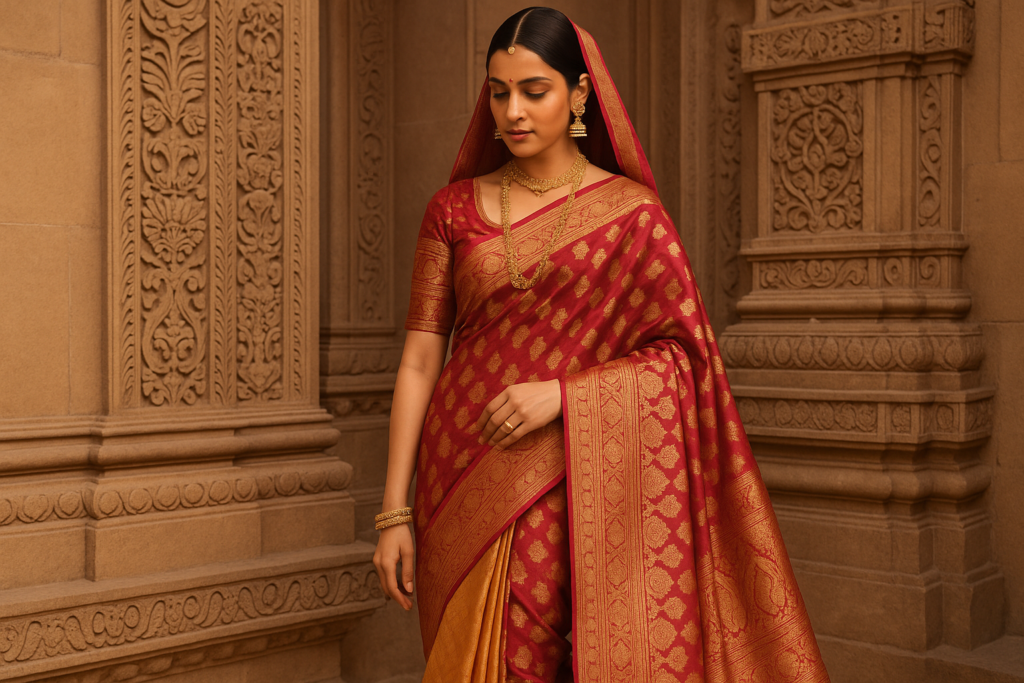
    Banaras, also known as Varanasi, is not only a spiritual hub but also the beating heart of India’s luxurious handloom industry. When you think of Banaras, you inevitably think of the iconic Banarasi saree—a symbol of heritage, elegance, and craftsmanship. Let’s explore why sarees from Banaras continue to capture hearts across generations and how they remain an eternal favorite in Indian wardrobes.


    Why Banaras is Synonymous with Sarees

    The art of saree weaving in Banaras dates back over 500 years, flourishing under Mughal patronage. The city became a melting pot of Persian design influence and Indian artistry, giving birth to the famous Banarasi silk saree. Today, Banaras is home to thousands of skilled artisans who continue this age-old legacy.


    What Makes Banarasi Sarees So Unique?

    1. Pure Silk & Zari Work
      Sarees in Banaras are made from Katan silk, enhanced with gold and silver zari threads, giving them a regal look and feel.
    2. Handloom Craftsmanship
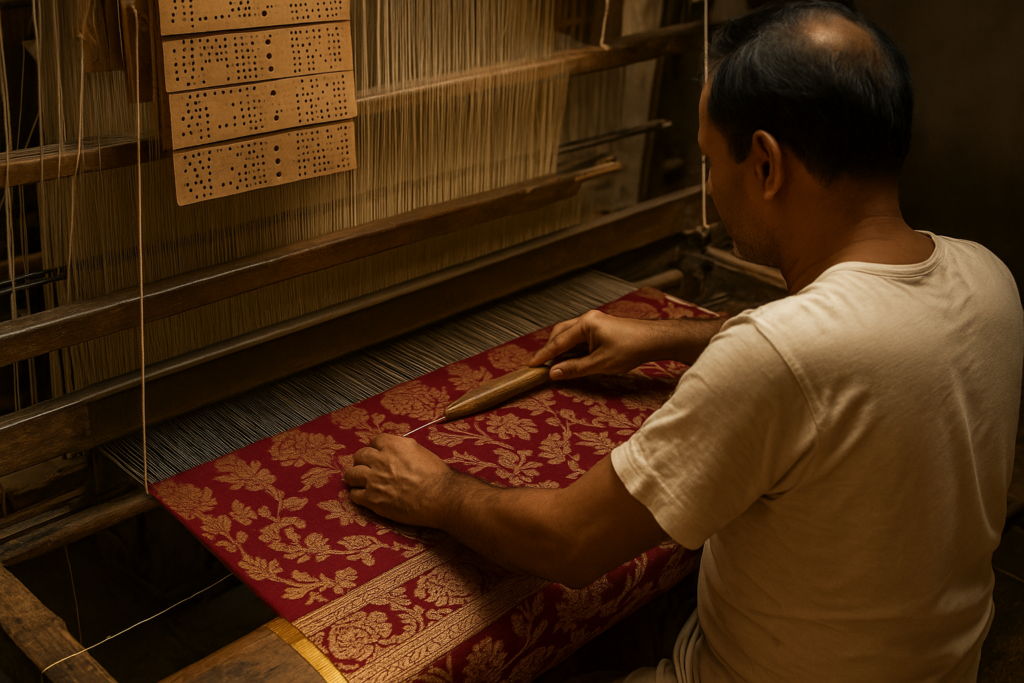
      Each saree is handwoven using traditional looms, often taking weeks or months to complete depending on the design complexity.
    3. Rich Cultural Motifs
      Banarasi sarees feature intricate motifs like floral jaal, paisleys, Mughal-inspired patterns, and temple borders, each carrying symbolic meaning.

    Types of Sarees Found in Banaras

    • Katan Silk Sarees – Woven from pure silk, ideal for weddings and festivals.
    • Georgette Banarasi Sarees – Lightweight and trendy, perfect for parties.
    • Organza/Kora Sarees – Sheer texture with bold zari work, a blend of elegance and grace.
    • Shattir Sarees – Affordable yet stylish options with a modern twist.

    Where to Buy Authentic Sarees in Banaras

    Visiting Banaras offers a unique chance to witness sarees being woven in real time. Key markets to explore include:

    • Godowlia Market
    • Chowk Area
    • Peelikothi
    • Lahurabir

    You can also find government-authorized handloom emporiums and designer boutiques offering certified authentic Banarasi sarees.


    Saree as a Symbol of Banarasi Culture

    Wearing a Banarasi saree is more than a style statement—it’s a cultural homage. Brides, classical dancers, and dignitaries often choose Banarasi sarees for the elegance and status they bring.


    Conclusion

    Sarees in Banaras are not just garments—they’re woven legacies, reflecting centuries of tradition, artistry, and cultural pride. Whether you’re visiting the city or shopping online, owning a Banarasi saree is owning a piece of India’s living heritage.

  • The Banarasi Saree Manufacturing Process – From Loom to Legacy

    Banarasi sarees, cherished for their luxurious silk and exquisite zari work, represent the finest of Indian handloom artistry. But what truly makes a Banarasi saree so special lies in its intricate manufacturing process—a journey that blends tradition, craftsmanship, and cultural heritage. In this blog, we walk you through each step of how a Banarasi saree is made.


    1. Sourcing and Preparing Raw Silk

    The process begins with sourcing pure silk yarns, primarily from southern India. This silk is thoroughly washed and degummed to ensure it’s free from impurities, giving it a smooth, lustrous finish. Only the finest Katan silk is used for traditional Banarasi sarees.


    2. Designing the Pattern (Naksha Making)

    Once the silk is ready, artisans begin designing the motifs on graph paper using traditional methods. This process is called Naksha making, and the designs usually feature:

    • Mughal-inspired patterns
    • Floral and foliate motifs (kalga, bel)
    • Peacocks, paisleys, and mandalas

    Each design is unique and may take days to finalize.


    3. Punch Card Creation for the Jacquard Loom

    The finalized design is translated into punch cards—small cardboard pieces with holes punched to guide the loom’s movement. These are fed into a Jacquard loom to control the weaving of patterns row by row.

    Thousands of punch cards are used for a single saree design.


    4. Dyeing the Silk Yarns

    The silk threads are then dyed in vibrant colors as per the design requirement. Traditional methods use natural and azo-free dyes, ensuring eco-friendliness and brilliance of color.


    5. Weaving on the Handloom

    Weaving is where the real magic begins. The weaver, assisted by family members or co-artisans, interlaces the dyed silk threads with zari threads (gold or silver-coated) on the loom. This meticulous weaving process can take 15 to 45 days or more, depending on the intricacy of the design.

    Types of weaving include:

    • Jangla – Dense floral motifs
    • Tanchoi – Intricate patterns with no zari
    • Cutwork – Simplified floral patterns
    • Butidar – Small, repetitive motifs across the body

    6. Finishing Touches and Quality Checks

    After weaving, the saree undergoes:

    • Polishing with a roller to enhance shine
    • Cutting and finishing of loose threads
    • Final quality inspection for defects

    Once approved, the saree is ready to be packed and shipped.


    7. Artisan Legacy and Sustainability

    Each Banarasi saree is a product of generations of skill. Many weavers work within family-owned units, often combining heritage techniques with modern innovations. Supporting Banarasi sarees also means supporting sustainable and ethical fashion.


    Conclusion

    From the hum of the loom to the shimmer of zari, the manufacturing process of Banarasi sarees is a beautiful narrative of craftsmanship and culture. Each thread tells a story, making every saree a wearable piece of art and tradition.

    Whether you’re a fashion lover, a bride-to-be, or an admirer of Indian textiles, knowing the process behind a Banarasi saree deepens your appreciation for this timeless attire.

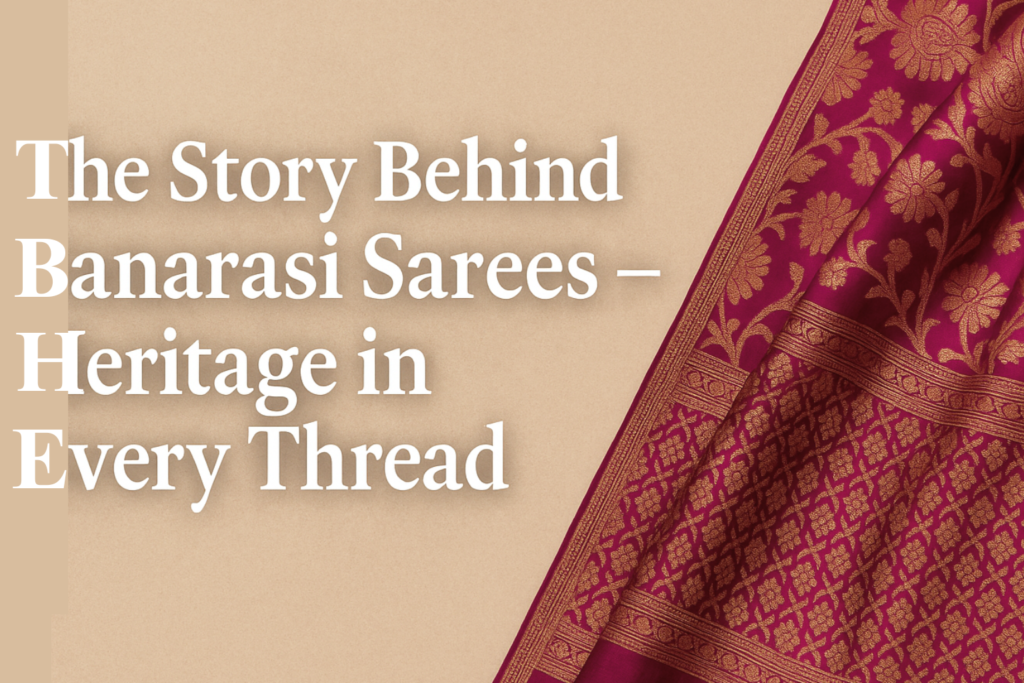
  • The Story Behind Banarasi Sarees – Heritage in Every Thread

    When it comes to timeless elegance and rich tradition, Banarasi sarees remain a crown jewel in Indian ethnic fashion. Originating from the ancient city of Varanasi (Banaras), these sarees are more than just clothing—they are handwoven works of art, passed down through generations. In this blog, we’ll explore the fascinating history, cultural significance, and modern-day relevance of Banarasi sarees.

    Origin of Banarasi Sarees: A Glimpse into History

    The roots of the Banarasi saree date back to the Mughal era, when Persian aesthetics met Indian craftsmanship. It was during this time that the art of weaving fine silk with gold and silver threads took shape in Banaras. Royal families and nobility adorned themselves with these luxurious garments, making Banarasi sarees a symbol of royalty and sophistication.

    What Makes a Banarasi Saree So Special?

    1. Intricate Weaving Techniques
      Banarasi sarees are known for their brocade work—delicate patterns created using metallic threads. Traditional motifs include floral designs, paisleys, peacocks, and mughal-inspired patterns.
    2. Pure Silk & Zari Work
      Woven from pure Katan silk and real zari (gold/silver threads), authentic Banarasi sarees are heavy, luxurious, and deeply ornate. Today, zari is often made with silver or copper threads coated in gold polish to maintain affordability without compromising beauty.
    3. Handcrafted by Skilled Artisans
      Each Banarasi saree can take 15 to 30 days or even more to complete, depending on the intricacy. Weaving one saree is a labor of love, often involving multiple artisans.

    Types of Banarasi Sarees You Should Know

    • Katan Banarasi Saree – Pure silk, known for its durability and richness.
    • Organza Banarasi Saree (Kora) – Lightweight, sheer fabric with zari and silk patterns.
    • Georgette Banarasi Saree – Soft and flowy, perfect for modern silhouettes.
    • Shattir Banarasi Saree – Ideal for contemporary and budget-friendly styles.

    Why Banarasi Sarees Are a Bridal Favorite

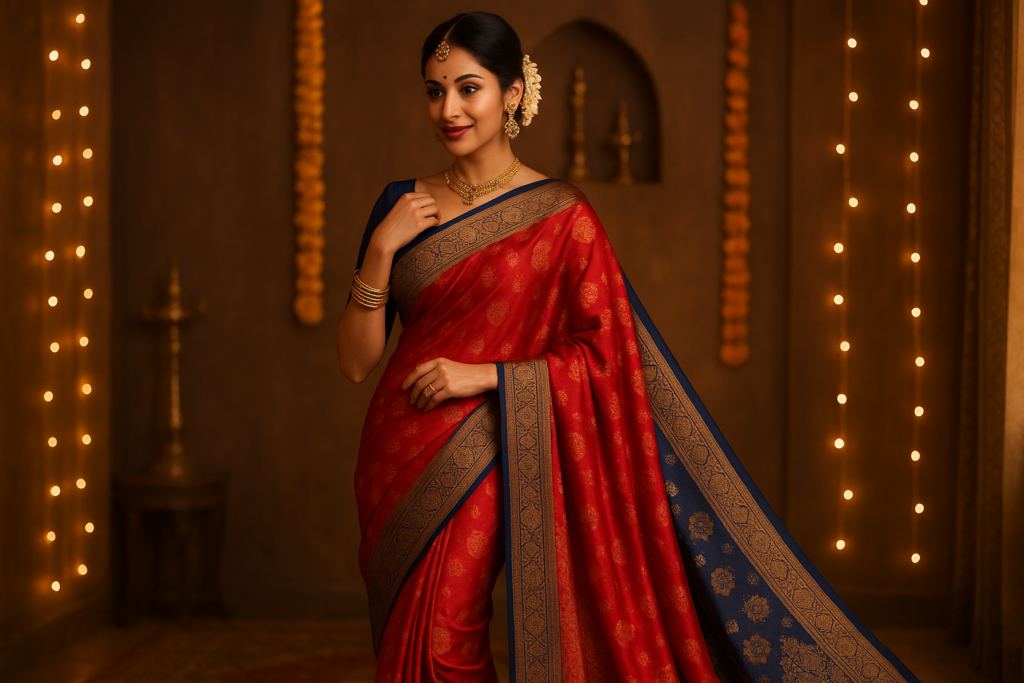
    If you’ve ever attended a North Indian wedding, you’ve likely seen the bride in a rich red or maroon Banarasi saree. This traditional attire is chosen not just for its beauty, but for its auspiciousness and timeless appeal. In fact, many brides today are opting for customized Banarasi lehengas and sarees to add a traditional touch with a modern twist.

    Modern Styling Ideas for Banarasi Sarees

    • Pair with a Belt: Cinch the waist with an ethnic belt for a fusion look.
    • Statement Blouse: Experiment with deep backs, balloon sleeves, or mirror work.
    • Contemporary Drapes: Try dhoti or lehenga-style drapes for pre-wedding events.
    • Accessorize Well: Go minimal with jewelry if the saree is heavily embellished.

    Preserving the Legacy of Banarasi Sarees

    In today’s fast-fashion world, Banarasi sarees remain a sustainable and ethical fashion choice. Buying a handwoven Banarasi saree not only supports Indian artisans but also helps preserve centuries-old traditions.

    Several designers and fashion influencers are now working with Banarasi weavers to bring their work into mainstream fashion, blending tradition with innovation.


    Conclusion

    Banarasi sarees are not just garments—they are a celebration of Indian culture, history, and craftsmanship. Whether you’re a bride, a saree enthusiast, or someone looking to invest in a piece of heritage, owning a Banarasi saree means owning a slice of India’s glorious textile tradition.

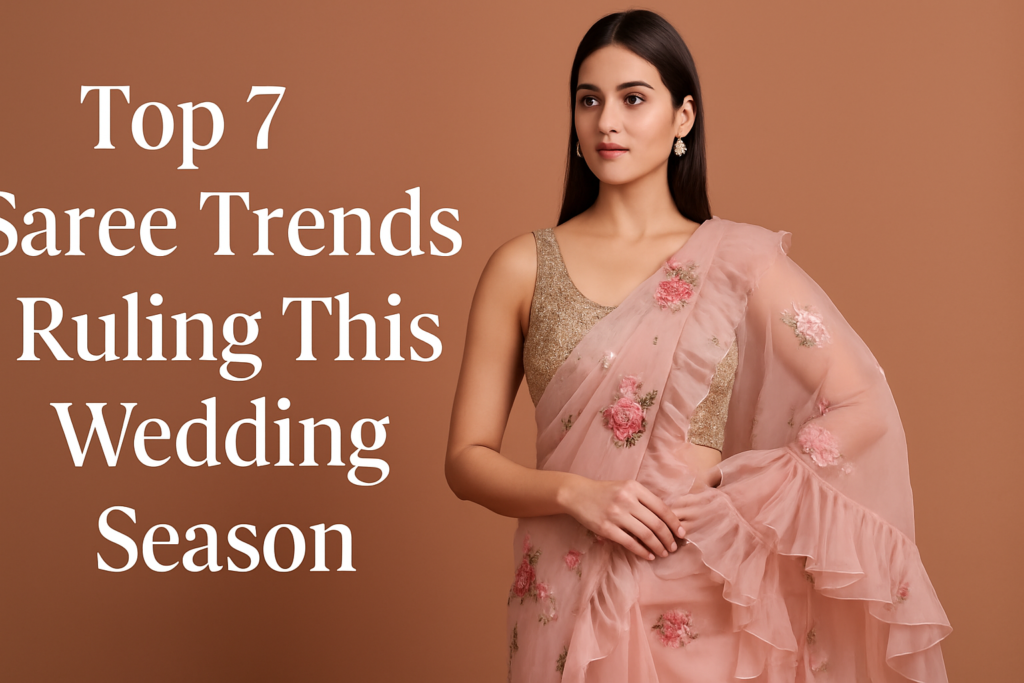
  • Top 7 Saree Trends Ruling This Wedding Season

    Weddings in India are all about vibrant colors, timeless traditions, and of course — stunning fashion. As styles evolve with each passing season, sarees remain the heart of festive dressing. This year, designers have redefined classic silhouettes with modern touches, creating a beautiful blend of heritage and contemporary chic.

    Here are the top 7 saree trends that are ruling the wedding scene in 2025:


    1. Organza Elegance

    Lightweight, sheer, and luxurious — organza sarees are the epitome of effortless grace. With subtle embroidery or floral prints, they’re perfect for daytime functions like mehndi or haldi. Pastel hues are especially hot this season.

    Style Tip: Pair with a sleeveless blouse and pearl accessories for a soft, romantic look.


    2. Pre-Draped Sarees

    Convenience meets couture! Pre-draped sarees save time without compromising style. These ready-to-wear sarees are tailored to perfection and often come with structured pleats, belts, or attached pallu drapes.

    Style Tip: Go bold with metallic tones or sequins for a cocktail or sangeet night.


    3. Banarasi Revival

    Banarasi silk never goes out of fashion, but this season it’s making a strong comeback with minimalist styling. Brides are opting for rich Banarasi sarees paired with contemporary blouses and fresh jewelry ideas.

    Style Tip: Let the saree shine — pair with a plain silk blouse and jadau earrings.


    4. Ruffle & Layered Sarees

    Drama meets elegance with ruffled sarees. Whether it’s subtle frills or full-blown layered borders, this trend is fun, feminine, and fantastic for younger guests or bridesmaids.

    Style Tip: Keep your blouse fitted and hair styled up to balance the volume.


    5. Sequin Statement Sarees

    A favorite for evening events, sequin sarees dazzle under the lights. From tone-on-tone shimmer to full-on sparkle, this style makes a powerful statement on the dance floor.

    Style Tip: Choose darker hues like midnight blue, emerald, or burgundy for maximum impact.


    6. Hand-Painted & Printed Sarees

    For those who want to mix tradition with art, hand-painted or digitally printed sarees offer unique storytelling. These are popular for intimate weddings and pre-wedding shoots.

    Style Tip: Opt for floral or mythological themes and minimal accessories.


    7. Net & Sheer Sarees

    Sheer is here to stay. Net sarees with heavy borders or embellished pallus are a bold pick for glam brides and sisters of the bride. Think see-through drama paired with confident styling.

    Style Tip: A structured blouse and smoky eye makeup will complete the look.


    Final Thoughts

    This wedding season is all about personal expression with a touch of glam. Whether you love heritage weaves or modern silhouettes, there’s a saree trend for every mood and moment. Remember — it’s not just about what you wear, but how you wear it!

  • How to Choose the Perfect Saree for Your Body Type

    Want to look your absolute best in a saree? The secret lies in choosing a style that complements your body type. Whether you’re petite, curvy, tall, or plus-size — there’s a perfect saree waiting for you.

    🔍 Why Body Type Matters in Saree Selection

    A saree can highlight your best features if chosen wisely. The right fabric, print, and drape style can make you appear taller, slimmer, or more graceful.


    🔸 For Petite Women

    • Go for: Light fabrics like chiffon, georgette, or crepe
    • Avoid: Heavy borders and big prints
    • Tip: Vertical prints or thin borders add height

    🔸 For Curvy/Plus-Size Women

    • Go for: Flowing fabrics like silk-cotton or soft crepe
    • Avoid: Stiff fabrics or clingy materials
    • Tip: Darker colors and small prints enhance shape

    🔸 For Tall Women

    • Go for: Bold prints, broad borders, and heavier sarees
    • Avoid: Very light or plain sarees
    • Tip: Try layering with long pallu drapes for drama

    🔸 For Slim Figures

    • Go for: Heavier fabrics like Banarasi, tussar silk, or cotton silk
    • Avoid: Super clingy materials that flatten the body
    • Tip: Embroidery and textured sarees add volume

    🛍️ Best Sarees for Every Body at Zuanas

    At Zuanas.com, we curate sarees to flatter every shape and style. Whether you’re looking for a soft georgette drape or a rich Kanjeevaram, you’ll find something perfect for your personality and body type.


    ✅ Final Word

    Choosing the right saree isn’t about trends — it’s about knowing what makes you feel confident and elegant. And when it fits just right, a saree can truly transform your look.

  • 💫 Budget-Friendly Sarees and Suits That Look Premium

    Looking fabulous doesn’t have to cost a fortune. In today’s fashion-forward world, you can find elegant sarees and suits that look high-end without breaking the bank. Whether you’re dressing for a wedding, festival, office, or casual outing — we’ve got you covered.

    👗 Why You Don’t Need to Spend Big to Look Stylish

    Expensive doesn’t always mean better. With the rise of online fashion stores like Zuanas.com, you can now access handpicked ethnic wear that’s affordable, trendy, and high-quality — all in one place.


    🧵 Top Picks: Sarees That Look Premium on a Budget

    1. Printed Georgette Sarees
      • Lightweight, flowy & stylish — perfect for daily wear or small functions.
      • Pair with a bold blouse for a rich look.
      • 💸 Price Range: ₹599 – ₹999
    2. Cotton Silk Sarees
      • Gives a silk-like shine with cotton comfort. Great for office or puja.
      • Looks rich with minimal jewelry.
      • 💸 Price Range: ₹999 – ₹1499
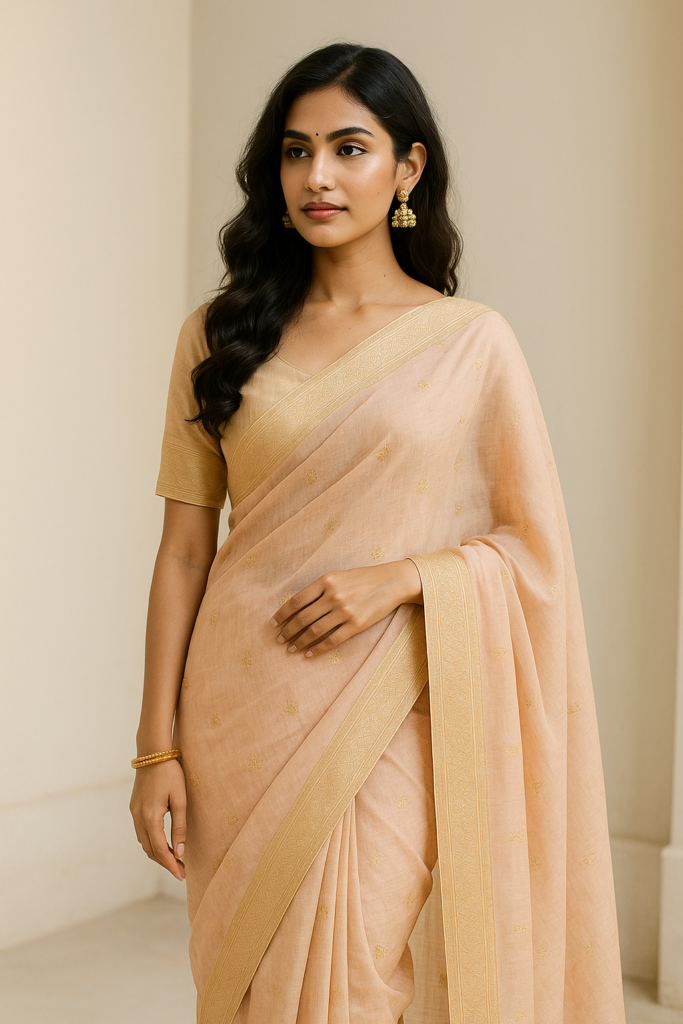
    3. Linen Blend Sarees
      • Minimalist and classy. Trending among modern women.
      • Ideal for day events and gifting.
      • 💸 Price Range: ₹899 – ₹1499

    💃 Affordable Suit Styles That Feel Luxe

    1. Straight-Cut Kurti Sets
      • Timeless design with elegant prints or embroidery.
      • Ideal for work, family events, and everyday wear.
      • 💸 Price Range: ₹799 – ₹1299
    2. Anarkali Suits (Cotton/Chiffon)
      • Adds instant grace and volume. Style with dupatta for a grand feel.
      • 💸 Price Range: ₹1199 – ₹1799
    3. Palazzo Sets with Minimal Work
      • Chic and comfortable — perfect for festive vibes on a budget.
      • 💸 Price Range: ₹999 – ₹1499

    💡 Styling Tips to Make Budget Outfits Look Premium

    • Accessories: Add oxidized jewelry, jhumkas, or a statement clutch.
    • Blouse Game: Tailored, modern blouses can elevate even a simple saree.
    • Draping Matters: A well-draped saree always looks more elegant.
    • Footwear: Pair with heels or ethnic juttis to complete the look.

    🛍️ Where to Shop?

    ✨ Zuanas.com offers a curated collection of affordable sarees and suits that give a luxurious look without a luxurious price tag. Every piece is chosen with care — so you can shop confidently, without worrying about quality or trends.


    ✅ Final Thoughts

    You don’t need a big budget to look stylish and classy. With the right selection and a few smart styling tricks, you can turn any occasion into a fashion moment — all while staying within your budge

  • The Timeless Elegance of Sarees: Why Every Woman Should Own One

    The saree — six yards of pure grace, tradition, and beauty. It’s more than just a garment; it’s a symbol of India’s rich cultural heritage and feminine elegance. Whether you’re attending a wedding, a festival, or a formal event, nothing matches the elegance of a well-draped saree.

    ✨ Why Sarees Are Always in Fashion

    Sarees have stood the test of time. From our grandmothers to today’s influencers, every generation has embraced sarees in their own way. Modern designers are now reinventing sarees with contemporary fabrics, prints, and draping styles — making them perfect for both traditional and modern looks.

    🌿 Variety for Every Occasion

    • Silk Sarees: Perfect for weddings and festivals — royal, rich, and heavy.
    • Cotton Sarees: Comfortable and breathable — ideal for everyday wear or office.
    • Chiffon/Georgette Sarees: Lightweight and flowy — great for parties or romantic dinners.
    • Linen & Handloom Sarees: Sustainable and stylish — a modern woman’s new favorite.

    👗 A Style Statement

    Pair a saree with a trendy blouse, belt, or jacket to turn heads. Even international celebrities are now flaunting sarees on global red carpets, proving that Indian fashion is truly world-class.

    💖 Why Every Woman Should Own a Saree

    • It suits all body types and age groups
    • Can be styled in multiple ways
    • It’s both graceful and powerful
    • Adds instant charm and confidence

    🛍️ Where to Buy?

    If you’re looking for handpicked, high-quality sarees that blend tradition with trend — Zuanas.com is your perfect destination. From festive collections to casual drapes, we bring elegance to your wardrobe, one saree at a time.


    Conclusion: Sarees are not just for special occasions — they are for life. So if you haven’t already, it’s time to embrace the timeless charm of a saree and make it your own.

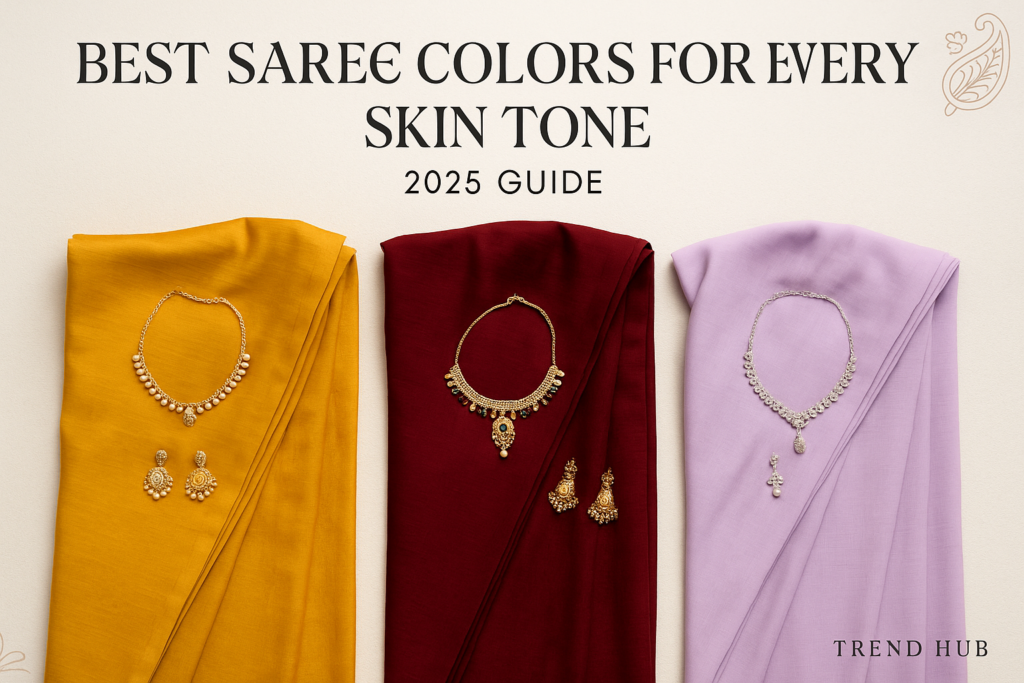
  • 🎨 Best Saree Colors for Every Skin Tone – 2025 Style Guide

    Choosing the right saree color isn’t just about trends—it’s about what complements your natural beauty. The perfect shade can make your skin glow, enhance your features, and make your outfit stand out effortlessly. In this 2025 saree color guide, we help you discover which hues work best for your unique skin tone, so you never go wrong with your ethnic look.


    💖 For Fair Skin Tones

    If you have a light or porcelain complexion, both soft pastels and deep jewel tones can look stunning on you.

    🌸 Recommended Shades:

    • Baby pink, lavender, powder blue, mint green
    • Emerald green, royal blue, ruby red
    • Champagne gold and soft silver for elegant occasions

    ❌ Avoid:

    Very pale beige or lemon yellow—they may wash out your natural glow.

    Trending in 2025: Ice blue organza sarees and rose gold satin silks with sequinned borders.


    🌞 For Medium or Wheatish Skin Tones

    This skin tone is one of the most versatile and pairs beautifully with both warm and cool colors.

    🌺 Recommended Shades:

    • Coral, mustard yellow, olive green
    • Magenta, teal, maroon, rust orange
    • Metallic bronze and copper tones

    ❌ Avoid:

    Ashy grey or neon shades—they may overpower your natural warmth.

    2025 Style Tip: Silk sarees in rust or burnt sienna with antique gold borders are in high demand this season.


    🍫 For Dusky or Deep Skin Tones

    Rich, vibrant colors and earthy tones can truly enhance the beauty of a dusky complexion.

    🌹 Recommended Shades:

    • Deep wine, navy blue, forest green, plum
    • Brick red, mustard, chocolate brown
    • Bold patterns with metallic accents

    ❌ Avoid:

    Fluorescent shades or overly pale pastels—they can contrast harshly with deeper tones.

    2025 Trend Alert: Velvet sarees in deep jewel tones with mirror work are dominating festive fashion.


    ✨ Bonus Tip: Universally Flattering Colors

    No matter your skin tone, some colors suit everyone:

    • Classic red
    • Black with gold or silver detailing
    • Ivory with bold embroidery
    • Jewel tones like emerald and sapphire

    👗 Final Thoughts

    Choosing the right saree color for your skin tone is the key to elevating your entire look. With this 2025 guide, you can stay ahead in style while honoring your natural complexion. Whether you’re dressing up for a wedding or a festive celebration, let your saree shade be your confidence booster.

  • How to Style a Saree in Modern Ways – 7 Unique Draping Styles for 2025

    Sarees are timeless, but the way we drape them keeps evolving with fashion. In 2025, saree styling has gone beyond traditional methods — from street-style fusion looks to Bollywood glam inspirations, sarees are now a perfect blend of culture and creativity.

    If you’re looking for modern saree draping styles, this blog will guide you through 7 trending saree looks that are making waves this year.


    🌟 1. Belt-Style Saree Draping

    One of the most loved and trending saree drapes in 2025 is the belted saree. Pair your saree with a statement belt over the waist to give a structured and edgy look.

    🛍️ Perfect for: Parties, weddings, or even formal events


    🌟 2. Pant-Style Saree Draping

    Skip the traditional petticoat and drape your saree over pants or palazzos for a bold Indo-western fusion. This style is chic, comfortable, and makes a powerful fashion statement.

    🛍️ Perfect for: Festive events or fashion shows


    🌟 3. Saree with Peplum Top

    Give your traditional saree blouse a twist by replacing it with a peplum top. It adds volume, style, and a modern flair to your entire look.

    🛍️ Perfect for: Engagements or sangeet functions


    🌟 4. Crop Top with Saree

    A crop top saree combo is a youth favorite in 2025. You can mix and match crop tops in bold prints, off-shoulder cuts, or high necks with plain or printed sarees.

    🛍️ Perfect for: College events or casual parties


    🌟 5. Cape-Style Saree

    Add drama and elegance to your saree look with a cape-style blouse or jacket. Capes not only provide a layered look but also replace the traditional dupatta feel.

    🛍️ Perfect for: Receptions, cocktail nights


    🌟 6. Pre-Stitched or Ready-to-Wear Saree

    For those who love sarees but struggle with draping, pre-stitched sarees are a blessing. They save time, look trendy, and are perfect for modern working women.

    🛍️ Perfect for: Office functions, travel weddings


    🌟 7. Saree with Blazer or Jacket

    Winter weddings or power-dressing moments call for a blazer-over-saree look. It’s bold, classy, and makes a strong style statement.

    🛍️ Perfect for: Corporate events, winter parties


    💡 Final Thoughts

    Sarees are no longer limited to traditional styling. In 2025, it’s all about experimenting and blending Indian elegance with modern fashion. Whether you’re looking for a wedding saree look, a fusion saree outfit, or a quick pre-stitched option, these unique saree draping styles will keep you ahead in the fashion game.


    🛒 Shop Modern Sarees Online at Zuanas.com

    At Zuanas, we offer the most stylish and trending sarees for women — from organza, ruffle, to designer pre-draped sarees. Redefine your ethnic style with the latest saree fashion.

    👉 Explore the collection now at Zuanas.com